

In the science of energetic design and brand communication, the concept of the “Five Elements”
is not merely a cultural belief, but a conceptual framework that systematically explains the “mood of shapes, lines, and visual tones.”
This concept is rooted in the Wu Xing philosophy, or the five elements: Earth, Water, Fire, Wood, and Metal. It describes the Generating Cycle and the Controlling Cycle. When applied to design, it helps business owners understand the type of energy their “brand image” is projecting into the market.
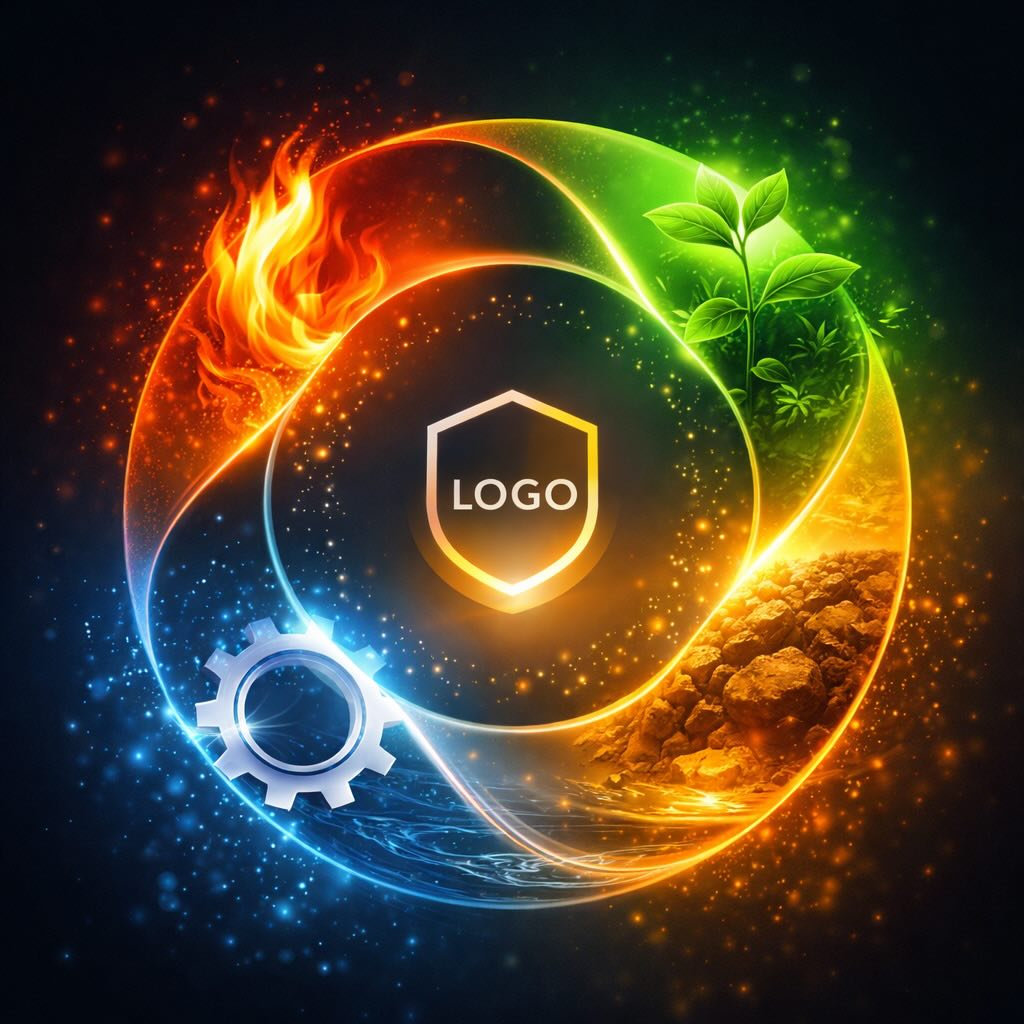
Earth Element — Stability, Credibility, Sustainability
Line and Shape Characteristics
- Square shapes, horizontal, solid
- Still, steady lines without fluidity
- Symmetrical elements
Color Tones Reflecting Earth Energy
- Brown, beige, cream, earth tones
- Brownish-yellow
Communicated Brand Mood
- Stability
- Sincerity
- Security
- Long-term sustainability
Suitable Businesses
- Real Estate
- Finance
- Legal
- Family Businesses
The Earth element is the foundation. If a brand desires a “trustworthy” image, the design should possess weight and stillness, avoiding excessive flashiness.
Fire Element — Power, Distinction, Leadership
Line and Shape Characteristics
- Diagonal lines, sharp points
- Triangular shapes
- Dynamic layouts
Color Tones Reflecting Fire Energy
- Red, orange, bright pink
- Warm gradients
Communicated Brand Mood
- Excitement
- Ambition
- Leadership
- Courage to be different
Suitable Businesses
- Startups
- Personal Brands
- Businesses seeking high impact
The Fire element helps draw the eye, but if used excessively, it may make the brand appear unnecessarily aggressive.

Water Element — Fluidity, Adaptability, Wisdom
Line and Shape Characteristics
- Curved, flowing lines
- Free-form, non-fixed shapes
- Elements with negative space
Color Tones Reflecting Water Energy
- Light blue, dark blue, indigo
- Glossy black
Communicated Brand Mood
- Depth
- Calmness
- Flexibility
- Intelligence
Suitable Businesses
- Consulting
- Technology
- Education
- Wellness / Spa
The Water element is suitable for brands wanting a deep, composed, and visionary image.
Wood Element — Growth, Vision, Creativity
- Line and Shape Characteristics
- Vertical lines
- Upward-stretching shapes
- Elements signifying expansion
Color Tones Reflecting Wood Energy
- Light green, natural green
- Natural pastel tones
Communicated Brand Mood
- Development
- Hope
- New beginnings
- Creativity
Suitable Businesses
- Education
- Social Enterprises
- Health Businesses
- Growth-focused businesses
The Wood element is ideal for brands wanting to communicate “sustainable growth.”
Metal Element — Clarity, Structure, Premium Quality
Line and Shape Characteristics
- Circles
- Sharp, clean lines
- Minimalist design
Color Tones Reflecting Metal Energy
- White, gray, silver, metallic gold
Communicated Brand Mood
- Professionalism
- Luxury
- Precision
- Systematic approach
Suitable Businesses
- Luxury Brands
- High Technology
- Medical Businesses
- International Brands
The Metal element represents the power of sharpness and sleek luxury. When used appropriately, it instantly creates a premium image.
Relationship of Elements in Design
Strategically, a brand does not need to rely on a single element.
However, it is essential to know what the “Primary Element” and “Supporting Element” are.
For example:
- A real estate business might use Earth (Primary) + Metal (Supporting) to convey stability and premium quality.
- A startup might use Fire (Primary) + Wood (Supporting) to convey energy and growth.
If conflicting elements are used unintentionally, the brand image will appear confused. For example, a logo with rigid Metal lines but excessive bright Fire colors may leave customers unclear about what the brand is trying to communicate.

